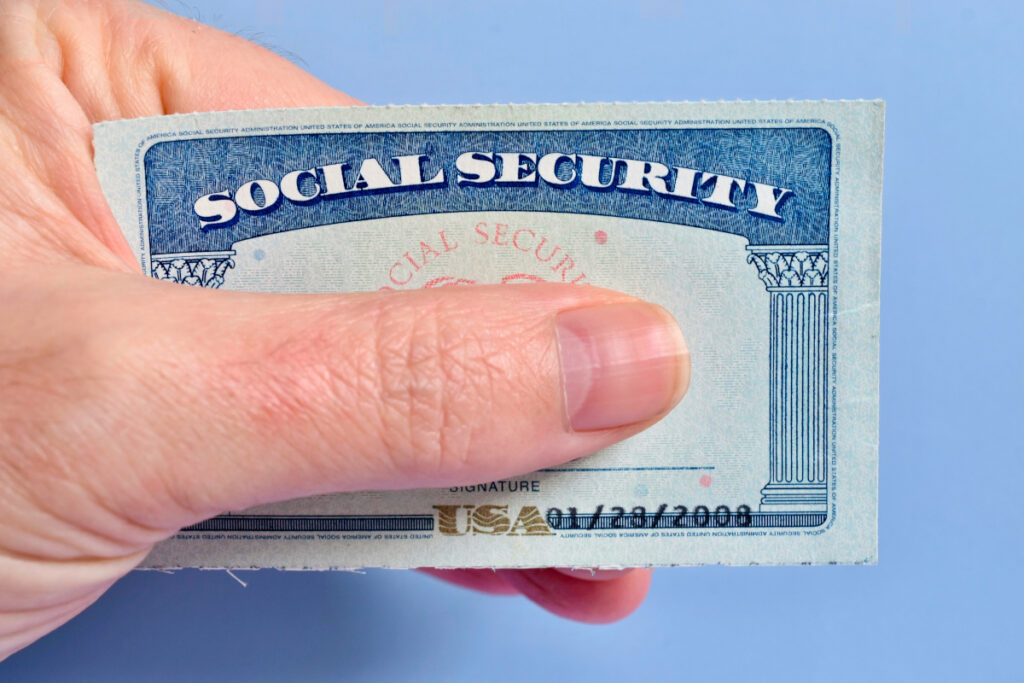
Across the Dallas–Fort Worth Metroplex, Social Security disability recipients are increasingly being targeted by sophisticated scams. In late 2025, the Social Security Administration (SSA) and the Office of Inspector General (OIG) issued multiple warnings about new schemes aimed at stealing personal information and benefits.
These scams often arrive as texts, emails, or calls claiming your SSI or SSDI payments have been suspended or that your identity must be “verified immediately.” If you receive any type of Social Security benefits in Texas, recognizing the red flags early can protect your identity and your income.
Why Texans Are Being Targeted
Texas has one of the largest concentrations of Social Security disability insurance (SSDI) and Supplemental Security Income (SSI) recipients in the country. That makes it a prime target for scammers—especially in urban areas such as Dallas–Fort Worth, where digital communication and benefit transactions happen daily.
The SSA and OIG recently reported a surge in phishing scams that impersonate legitimate government agencies. Criminals now use caller ID spoofing, professional-looking websites, and AI-generated emails to trick recipients. They claim you must “reconfirm your Social Security number,” “update your benefit account,” or “pay a fee to avoid suspension.” These scams often spread fastest in the holiday and tax seasons, when people are more likely to respond quickly without verifying the source.
Common 2025 Scam Tactics
Scammers have grown more convincing, often using real government logos or official-looking forms. The most common tactics seen in Texas and DFW include:
- Phishing emails and texts: Messages linking to fake SSA portals that ask you to “verify your benefits”
- Spoofed calls: Callers claiming to be “Social Security investigators” or “federal agents”
- Fake SSA websites: Slight misspellings in URLs (for example, ssa-gov.com instead of ssa.gov)
- Gift card or crypto payments: Threats of benefit suspension unless you pay “reinstatement fees” using certain types of untraceable payment forms
- Data-harvesting forms: Online questionnaires requesting your SSN, bank, or Medicare details
Red Flags Every DFW Resident Should Recognize
The following are clear signs that you’re dealing with a scammer:
- A message demanding immediate action or payment
- Emails with spelling errors or incorrect web domains
- Caller IDs showing “Social Security” or “federal agent”
- Unsolicited contact via WhatsApp, Facebook, or text
- Requests to verify personal data, such as a Social Security number or bank info
What To Do If You Receive a Suspicious Message
If you get a call, text, or email that seems questionable, follow these steps:
- Don’t respond or click any links.
- Go directly to oig.ssa.gov/report to file a fraud report.
- Forward suspicious emails to phishing-report@us-cert.gov (the official U.S. Cybersecurity and Infrastructure Security Agency address).
- Block the sender and run a security scan on your phone or computer.
- Monitor your credit reports and mySocialSecurity account for unauthorized changes.
Protecting Your Benefits and Identity
A few simple steps can help protect your Social Security information and benefits year-round:
- Enable a two-factor authentication for your SSA account.
- Use strong, unique passwords and avoid logging in on public WiFi.
- Review your benefit deposits monthly to catch suspicious activity.
- If you suspect fraud, immediately freeze your credit with Equifax, Experian, and TransUnion.
Legal and Financial Remedies for Victims
If scammers gain access to your benefits or personal information, you have options:
- File an official complaint with the SSA Office of Inspector General (OIG).
- Visit IdentityTheft.gov to initiate an identity recovery plan.
- Consult a Social Security disability scams attorney to help document losses and pursue reimbursement.
Read Also: Understanding the New Social Security Disability Cost of Living Adjustments
Stay Vigilant: Protect Your Benefits from 2025 SSA Scams in Texas
At The Law Offices of Bailey & Galyen, we help Texans protect their rights and recover after falling victim to Social Security fraud and phishing scams. Our attorneys can guide you through the reporting process, assist with documentation, and coordinate with agencies to safeguard your benefits.
For a confidential consultation, call Bailey & Galyen at 844-402-2992 or contact us online. Our phones are answered 24/7 — because your peace of mind can’t wait. Se habla español.
Bailey & Galyen Solving Your Legal Puzzle®