You've lived in Texas as a lawful permanent resident for years, built a life, raised a family, and paid taxes. Now you're ready to become a U.S. citizen, but you're worried something in your past might derail your naturalization application. Understanding the most common reasons for citizenship denial helps you identify potential obstacles and address them before filing Form N-400.
Naturalization is governed by federal law and applies the same standards nationwide. A significant number of naturalization applications face denials or continued proceedings each year. Many denials stem from preventable issues that applicants could have resolved with proper preparation and legal guidance.
Key Takeaways for Naturalization Applicants Living in Texas
- Criminal history creates the most common citizenship denial category, particularly for crimes involving moral turpitude or drug offenses.
- Tax filing failures and unpaid child support demonstrate a lack of good moral character required for naturalization.
- Even a single instance of unlawful voting may result in citizenship denial and can create grounds for deportation.
- Male green card holders who failed to register for the Selective Service between the ages of 18 to 26 face naturalization obstacles.
Understanding Good Moral Character Requirements
The Immigration and Nationality Act requires naturalization applicants to demonstrate good moral character for a specific statutory period, during which USCIS closely examines your conduct. This period is typically five years before filing, or three years for those married to U.S. citizens. This requirement proves to be the most subjective and creates the greatest denial risk.
Section 101(f) lists specific bars to good moral character, including habitual drunkenness, polygamy, illegal gambling, drug trafficking, prostitution, giving false testimony, and certain criminal convictions. However, good moral character extends beyond these specific bars to encompass general ethical conduct expected of ordinary citizens. USCIS may also look at conduct outside the statutory period when evaluating whether you currently have good moral character.
USCIS policy guidance provides substantial discretion in evaluating moral character, creating uncertainty for applicants worried about past conduct. Because of that flexibility, it helps to understand the specific issues that most often lead to denials.
Reason #1: Criminal History and Arrests
Criminal history creates the most common and complex citizenship denial category. Different offenses create varying consequences—some bar naturalization permanently, while others create temporary obstacles or require explanation. Understanding how USCIS evaluates criminal conduct helps you assess your eligibility accurately.
Permanent Criminal Bars
Certain crimes create permanent bars to naturalization. Murder convictions permanently prohibit citizenship. Aggravated felony convictions—serious offenses defined specifically in immigration law—create permanent bars for convictions occurring after November 29, 1990. Applicants with murder or aggravated felony convictions should consult immigration attorneys before applying, as applications may trigger removal proceedings.
Crimes Involving Moral Turpitude
Conviction of, or admission to, one or more crimes involving moral turpitude (CIMT) during the statutory period can bar a finding of good moral character. CIMTs are offenses involving dishonesty, serious violence, or intent to harm others. In practical terms, these are usually crimes like theft, fraud, domestic violence, DUI with aggravating factors, and assault.
Multiple CIMT convictions are especially problematic. USCIS may also look at older CIMT history when deciding whether you meet the good moral character standard.
DUI and Alcohol-Related Offenses
A single DUI typically doesn't bar naturalization if it occurred outside the statutory period and the applicant demonstrates rehabilitation. However, DUI during the statutory period creates rebuttable presumptions of lack of good moral character. Multiple DUIs suggest habitual drunkenness, which Section 101(f) lists as a specific bar.
Applicants with DUI history should wait at least five years after completing all sentencing requirements—including probation—before applying. Document sobriety through rehabilitation programs, maintain clean driving records, and obtain letters from employers and community members attesting to rehabilitation.
Drug Offenses and Traffic Violations
Violation of federal controlled substance law, other than a single offense involving 30 grams or less of marijuana, is treated as a conditional bar to good moral character during the statutory period. Drug trafficking offenses create permanent bars. Even marijuana-related offenses cause problems despite state-level legalization—federal immigration law still treats marijuana as a controlled substance.
Minor traffic infractions—e.g., speeding tickets, running red lights—generally don't affect naturalization if disclosed. However, unpaid traffic tickets create problems because they suggest disrespect for the law. Resolve all outstanding tickets, obtain payment proof, and bring documentation to interviews.
Arrests Without Convictions
Arrests alone do not automatically prove a lack of good moral character. However, officers may consider the underlying conduct, even if it did not lead to a conviction. Applicants should obtain certified court dispositions proving charges were dismissed, reduced, or resulted in acquittals.
Failure to disclose arrests can be treated as a willful, material misrepresentation and create a separate basis for denial.
Reason #2: Tax Filing Failures and Financial Irresponsibility
Naturalization applicants must demonstrate that they filed all required federal, state, and local tax returns during the statutory period. USCIS requests IRS tax transcripts and examines whether applicants filed returns when required. Failure to file required returns creates the presumption of lack of good moral character, as tax obligations are fundamental civic responsibilities.
Common financial issues that raise good moral character concerns include:
- Failure to file tax returns: Not filing during years with income above filing thresholds
- Tax fraud: Intentionally understating income or claiming false deductions
- Unpaid child support: Willful failure to pay court-ordered support obligations
- Outstanding tax debt: Substantial unpaid federal or state taxes without payment plans
- Fraudulent tax practices: Using false Social Security numbers on tax documents
Addressing Tax Filing Issues
Applicants who failed to file federal returns during years they had income above filing thresholds face serious problems. Simply filing late returns before a naturalization interview doesn't cure the failure—the lack of good moral character existed during the years when the applicant didn't file. However, USCIS may find good moral character if an applicant demonstrates they've since filed all returns, paid taxes owed, established payment plans, and can explain the circumstances causing the failures.
Child Support Obligations
USCIS views child support obligations as fundamental responsibilities. Willful failure to pay suggests moral deficiency. Applicants with child support arrears should establish payment plans, document compliance, and bring payment histories to interviews. Complete payment of all arrears before applying is ideal, but demonstrating consistent payment efforts and reasonable explanations for past failures may suffice.
Reason #3: Unlawful Voting and False Claims to U.S. Citizenship
Even minor mistakes related to citizenship claims create catastrophic immigration consequences that many green card holders don't anticipate. Understanding these issues helps you avoid making claims that could permanently bar citizenship.
Unlawful Voting Consequences
Voting in federal, state, or local elections while a non-citizen creates serious naturalization problems. Even a single instance of unlawful voting may result in citizenship denial and can create grounds for deportability, depending on the facts and available exceptions. Some green card holders accidentally register to vote, or vote when obtaining driver's licenses at Texas Department of Public Safety offices.
While inadvertent registration might be defensible, actually voting—even once—creates substantial problems.
False Citizenship Claims
Section 212(a)(6)(C)(ii) makes an individual inadmissible if they have falsely claimed U.S. citizenship, and there are very limited statutory exceptions. For most applicants, there is effectively no available waiver, which makes this one of the most serious immigration problems. Certain exceptions exist, such as claims made as a minor (under 18) or prior to 1996, but for most applicants, a false claim is a serious and permanent bar to citizenship.
This means that green card holders who made false claims to citizenship face permanent bars to naturalization and risk losing their green cards. Some individuals mistakenly claim U.S. citizenship on employment verification forms, passport applications, or other documents, not understanding the severe consequences. Applicants who are concerned that they may have claimed citizenship on any documents should consult immigration attorneys before applying.
Reason #4: Selective Service Registration Failures
The Military Selective Service Act requires male U.S. residents—citizens and non-citizens—to register with the Selective Service System within 30 days of their 18th birthdays. Men who are green card holders between the ages of 18 and 26 are required to register. Failure to register when required creates a presumption of lack of good moral character for naturalization purposes.
Registration Consequences and Solutions
For naturalization purposes, selective service registration failures create rebuttable presumptions of lack of good moral character. USCIS examines whether failures were knowing and willful. Applicants who can demonstrate they weren't aware of registration requirements, or didn't understand requirements applied to them, may overcome presumptions.
USCIS generally will not find good moral character for applicants who knowingly and willfully failed to register until at least age 31, because officers look at the five-year statutory period after the age-26 registration deadline. Men who are uncertain whether they have registered should request a Status Information Letter from the Selective Service System to document their registration status.
Reason #5: English and Civics Test Failures
Naturalization applicants must demonstrate the ability to read, write, speak, and understand English, plus knowledge of U.S. history and government. Test failures result in denials for applicants who don't adequately prepare or don't qualify for available exceptions. Understanding test requirements and available resources helps you prepare effectively.
Testing Requirements and Exceptions
During interviews, USCIS officers assess spoken English through conversation. Officers test reading by having applicants read aloud one of three sentences, and writing by dictating one sentence that applicants must write correctly. For N-400 applications filed on or after October 20, 2025, USCIS now requires applicants to answer at least 12 of 20 civics questions correctly, reflecting the new rules under current agency policy.
USCIS provides exceptions for applicants aged 50 or older with 20 years of permanent residence, or 55 or older with 15 years of residence.
Naturalization Test Exceptions by Age and Residence
| Age | Years as Permanent Resident | English Test Requirement | Civics Test Language |
| Under 50 | Any | Required | English |
| 50+ | 20+ years | Exempt | Native language |
| 55+ | 15+ years | Exempt | Native language |
| 65+ | 20+ years | Exempt | Native language (simplified civics) |
| Any age with disability | Any | May request Form N-648 exemption | May request Form N-648 exemption |
For applicants 65 or older with at least 20 years as permanent residents, USCIS uses a simplified list of civics questions, and applicants may take the test in their native language.
Test Preparation Resources
Applicants who fail English or civics tests receive second opportunities. USCIS schedules retests within 60-90 days, testing only the failed component. Applicants who fail retests receive denials but may reapply after waiting periods. If you reapply after a test denial, you'll need to submit new biometrics and may face new civics questions if your application is filed after USCIS rules change.
Proactive Steps to Avoid Denial
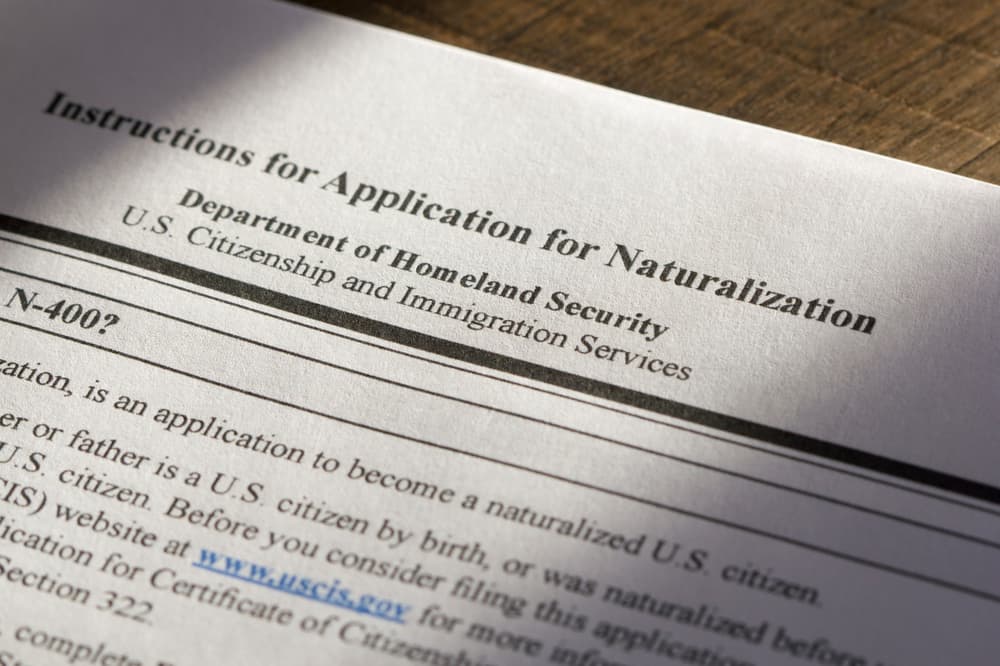
Before filing Form N-400, conduct honest self-assessments identifying potential problem areas. Create timelines of all international travel, list all arrests even without convictions, document tax filing history, and confirm selective service status. Gathering documentation before filing prevents delays and demonstrates preparedness.
Essential documentation to gather before filing includes:
- Criminal records: Certified court dispositions for all arrests showing final outcomes
- Tax documentation: IRS tax transcripts for all years during your statutory period
- Selective Service proof: Status Information Letter confirming registration or exemption
- Travel records: Complete list of international trips with exact dates and destinations
- Marriage and divorce records: Certificates and decrees for all marriages, including those that ended
Resolve problems before filing when possible. Pay outstanding traffic tickets, establish child support payment plans, file missing tax returns, and complete probation or deferred adjudication programs. Applicants with criminal history, tax problems, selective service failures, or other complex issues should consult immigration attorneys before filing.
One of the most important ways to avoid denial is complete honesty. Disclosing all arrests, tax issues, trips abroad, and other potentially negative information allows USCIS to evaluate facts rather than discover concealment.
FAQ for Naturalization Applicants Living in Texas
What Should I Do If My DUI Is Outside the Statutory Period But I Have Other Traffic Issues?
If your DUI occurred more than five years before filing and you've completed all sentencing requirements, it typically won't bar naturalization. However, if you have recent unpaid traffic tickets or other driving violations during the statutory period, these may still raise good moral character concerns.
Resolve all outstanding tickets before filing, bring payment receipts to your interview, and be prepared to explain your complete driving history, including the older DUI. USCIS will evaluate your overall pattern of conduct rather than isolated incidents.
Can I Strengthen My Application If I Had Gaps in Child Support Payments?
Yes, if you had periods of unpaid child support but have since established consistent payment patterns, document your progress comprehensively. Bring payment histories showing current compliance, letters from your state's child support enforcement agency confirming your payment plan, proof that arrears are being addressed through wage garnishment or voluntary payments, and any court orders modifying support obligations due to changed circumstances like job loss. Prepare an explanation of what caused the gaps and how you've resolved the situation.
What Happens If My First Naturalization Attempt Was Denied for Test Failure?
If USCIS denied your application after you failed the retest, you must file a completely new Form N-400 application with new filing fees and a new review—it is not a free or automatic retest of your original case. Your new application starts the process from the beginning, including biometrics, interview, and testing. However, you can apply immediately after denial. Use the waiting period to study more intensively, enroll in citizenship classes, and practice with study partners. Many applicants succeed on their second or third applications after improving their English skills and civics knowledge.
Will Taking the Citizenship Test in My Native Language Under the 50/20 Exception Hurt My Chances?
No, utilizing the 50/20 or 55/15 exception is your legal right and does not negatively affect your application. USCIS recognizes that elderly immigrants who arrived later in life may struggle with English despite successfully integrating into American society in other ways. Using the exception demonstrates smart use of available accommodations rather than suggesting deficiency. However, you must still speak enough English to understand basic interview questions about your application unless you also qualify for a disability exemption under Form N-648.
Get Legal Help With Your U.S. Citizenship Application in Texas
Bailey & Galyen represents Texas immigrants pursuing U.S. citizenship. Our immigration attorneys evaluate potential obstacles in your naturalization case, help you gather necessary documentation, prepare you for USCIS interviews, and fight for approval when complications arise.
If you're concerned about criminal history, tax issues, selective service problems, or other factors that might affect your citizenship application, contact Bailey & Galyen for a confidential consultation. Call our Bedford office at (817) 345-0580 or your local Bailey & Galyen office, or contact us online to discuss your naturalization case today.