A crash involving a large truck can be devastating, especially when the truck could not stop in time. Afterward, injured drivers and families may hear that the truck’s brakes “failed,” but that explanation often raises more questions than it answers.
Brake failure is not always a sudden, unavoidable event. In many truck accident cases, brake problems may be connected to poor maintenance, worn parts, defective components, overloaded cargo, missed inspections, or how the truck was driven. Understanding what caused the failure is often an important part of determining who might be responsible.
Why Brake Failure Is So Dangerous in a Truck Accident
When a commercial truck loses braking ability, the consequences can be especially severe because large vehicles require much longer stopping distances. Brake failure can lead to rear-end collisions, jackknife accidents, rollovers, intersection crashes, or multi-vehicle pileups.
How Poor Maintenance Can Lead to Brake Failure
Poor maintenance can lead to commercial truck brake failure when worn or damaged components are not properly inspected, repaired, or replaced. Neglected service, incomplete repairs, or ignoring reported brake issues can make a truck unsafe to operate. Maintenance records can show when brake problems were reported, whether repairs were completed, and when the truck was returned to service.
Defective Brake Parts Can Also Play a Role
A truck crash may also be connected to brake components that were poorly designed, improperly manufactured, mislabeled, or unsuitable for commercial use. Faulty parts might include brake pads, valves, hoses, compressors, brake chambers, ABS components, or electronic systems. Evaluating a possible part defect often requires preserving and examining the failed components to determine whether manufacturers, suppliers, or repair facilities could have contributed to the brake failure.
Overloaded Cargo Can Strain the Braking System
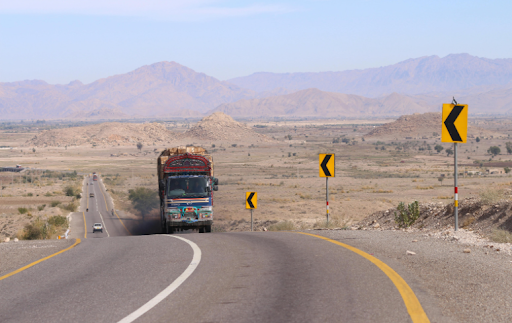
Excessive or unevenly loaded cargo can make a commercial truck more difficult to stop by increasing brake strain and the risk of overheating or brake fade. The added strain can increase the risk of a serious crash, particularly on steep grades or in heavy traffic. Depending on the circumstances, an investigation might also examine the trucking company and other parties involved in loading, weighing, or securing the cargo.
Negligent Inspections Can Allow Unsafe Trucks on the Road
Missed warning signs, incomplete inspections, poor documentation, or unverified repairs can allow an unsafe truck to remain on the road. Inspection and maintenance records may reveal overlooked defects, incomplete repairs, or a recurring pattern of unresolved safety concerns.
Driver Misuse Can Make Brake Problems Worse
Improper driving can worsen brake problems and increase the risk of truck accidents. Speeding, following too closely, riding the brakes, ignoring warning signs, or failing to report brake problems can place additional strain on an already compromised braking system. In some cases, both the driver and the trucking company may be examined because of unsafe driving practices, inadequate training, ignored warning signs, or failures to report and repair known brake problems.
Who’s Liable After a Brake Failure Truck Accident?
Liability depends on the facts of the crash, the condition of the truck, and the decisions made before the collision. Depending on the evidence, the investigation might involve several individuals or companies.
The Truck Driver
The driver’s conduct may be examined if unsafe driving, an incomplete inspection, failure to report brake problems, or continued operation of an unsafe truck played a role in the crash.
The Trucking Company
The motor carrier’s practices may also come under review, including its maintenance procedures, safety policies, hiring and training decisions, response to driver reports, and decision to keep a truck in service despite known brake problems.
A Maintenance or Repair Company
If an outside mechanic, repair shop, or maintenance contractor performed brake work improperly, missed a serious defect, used the wrong part, or failed to complete repairs properly, that company may be investigated.
A Parts Manufacturer or Supplier
If a brake component was defective or failed despite proper use and maintenance, a manufacturer, distributor, or supplier might be part of the claim.
A Cargo Loading Company or Shipper
If overloaded or improperly loaded cargo contributed to the crash, the investigation may also examine the companies or individuals responsible for loading, weighing, or securing it.
A Leasing Company or Vehicle Owner
Some trucks are owned, leased, or operated by different companies. If the owner or leasing company was responsible for maintenance, the lease agreement and service records may clarify the extent of that responsibility.
What Records Are Needed to Investigate a Brake Failure Claim?
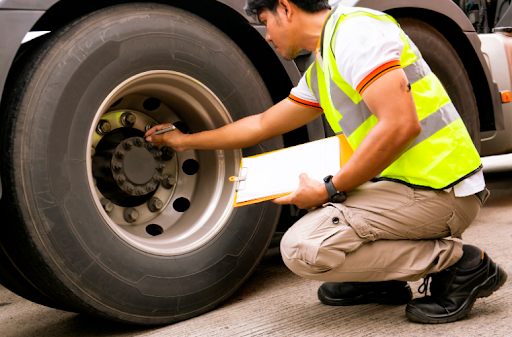
Brake failure claims often depend on documents and data that are not available at the accident scene. A detailed investigation typically includes reviewing:
- Truck maintenance and repair records
- Brake inspection records
- Driver vehicle inspection reports
- Pre-trip and post-trip inspection documentation
- Annual inspection records
- Work orders, invoices, and parts receipts
- Brake adjustment records
- Prior defect reports or repair requests
- Electronic control module data
- Dash camera footage, if available
- GPS and route data
- Driver logs and hours-of-service records
- Dispatch communications
- Cargo weight tickets and bills of lading
- Loading records and shipping documents
- Company safety policies and training records
- Prior violations, citations, or out-of-service orders involving the truck or carrier
Taken together, this evidence can clarify whether the problem developed suddenly, had been reported before, was repaired incorrectly, or was connected to broader safety failures. It may also help identify which company or person had control over the truck, the cargo, or the maintenance process. Some of this evidence may change or become unavailable after the truck is repaired or returned to service, so early preservation is important.
How Bailey & Galyen Helps Families Understand Truck Accident Claims
Truck accident cases can involve multiple companies, layers of insurance, technical vehicle issues, and evidence that may be difficult for injured people and families to access. Bailey & Galyen can listen to what happened, explain general legal considerations, and discuss which maintenance documents, inspection reports, cargo information, and electronic data might be relevant.
Since 1982, Bailey & Galyen has served clients across Texas with large-firm resources and personal attention. Call us to ask questions about a Texas truck accident involving possible brake failure. Free consultations are available for many consumer-law matters, and someone is available 24/7 to help you get started.
Frequently Asked Questions
1. Does brake failure automatically mean the trucking company is responsible?
Not automatically. The trucking company may be responsible if poor maintenance, ignored defect reports, unsafe policies, or failure to inspect the brakes contributed to the crash. Depending on the evidence, the driver, a repair shop, a parts manufacturer, a cargo loader, or another party might also have liability.
2. What if the truck driver says the brakes suddenly stopped working?
That statement should usually be investigated carefully. Brake failure may feel sudden to the driver, but records can show earlier warning signs, missed inspections, worn components, prior repairs, or cargo issues that contributed to the problem.
3. Can overloaded or improperly loaded cargo cause or contribute to brake failure?
Yes. Excessive weight can make a truck harder to stop and can place additional strain on the braking system. Improperly loaded cargo can also affect stability and control. Cargo records, weight tickets, and loading documents can help determine whether weight played a role.
4. Why are maintenance records important after a truck crash?
Maintenance records can show when the brakes were last inspected, what repairs were performed, whether defects were reported, and whether the truck should have been taken out of service before the crash. These records can help connect the mechanical failure to a person or company responsible for safety.
5. How soon should someone ask about preserving evidence?
Evidence should generally be addressed as soon as possible after a serious truck accident. Trucks may be repaired, parts may be replaced, and electronic data may be overwritten. Speaking with an attorney early can help families understand what records and physical evidence need to be preserved.
Hablamos español en nuestra oficina.
Bailey & Galyen – Solving Your Legal Puzzle®