A Comprehensive Guide for International Students
F-1 visas allow international students to pursue academic programs in the United States. These visas are essential for students aiming to attend U.S. colleges, universities, or language training programs. In a recent academic year, more than 900,000 international students enrolled in U.S. higher education institutions, highlighting the significance of F-1 visas in facilitating global education.
However, recent changes in immigration policies have introduced complexities in the visa process, making it more challenging for students to secure and maintain their F-1 status.
Read on to learn detailed information on F-1 visas, including eligibility criteria, application procedures, maintaining status, and addressing common challenges. For personalized assistance, consult an immigration attorney near you to navigate the process effectively.
What Is an F-1 Visa?
The F-1 visa is a non-immigrant visa that permits international students to enter the United States for full-time academic studies at accredited institutions. This includes universities, colleges, high schools, and language training programs.
Who Qualifies for F-1 Status?
To be eligible for an F-1 visa, applicants must:
- Gain admission to a U.S. institution certified by the Student and Exchange Visitor Program (SEVP);
- Demonstrate sufficient financial resources to cover tuition and living expenses; and
- Show an intent to return to their home country upon completion of studies.
Difference Between F-1 and Other Student Visas
While the F-1 visa is for academic studies, the M-1 visa caters to vocational or non-academic programs, and the J-1 visa is for exchange visitors participating in programs that promote cultural exchange.
Common Misconceptions About F-1 Visas
Some believe that F-1 visa holders can work freely in the U.S., but employment is restricted and requires authorization. Others assume that obtaining an F-1 visa guarantees entry into the U.S.; however, admission is ultimately determined by Customs and Border Protection officers at the port of entry.
F-1 Visa Application Process
Applying for an F-1 visa involves a multi-step process that begins well before your interview at a U.S. embassy or consulate. Each stage requires careful preparation, accurate documentation, and clear communication with both your chosen school and immigration authorities. Missing or incorrect information can lead to delays or denial. With the right guidance, however, students can approach the process confidently and avoid common errors that could affect their visa outcome.
Step-by-Step Application Procedure
- Admission to a SEVP-Certified School
The first requirement is securing admission to a U.S. school approved by the Student and Exchange Visitor Program (SEVP). Once accepted, the institution will issue a Form I-20, also known as the “Certificate of Eligibility for Nonimmigrant Student Status.”
- Pay the SEVIS I-901 Fee
Before scheduling your visa interview, you must pay the SEVIS (Student and Exchange Visitor Information System) I-901 fee. This confirms your registration in the SEVIS database, which tracks and monitors international students in the U.S.
- Complete Form DS-160
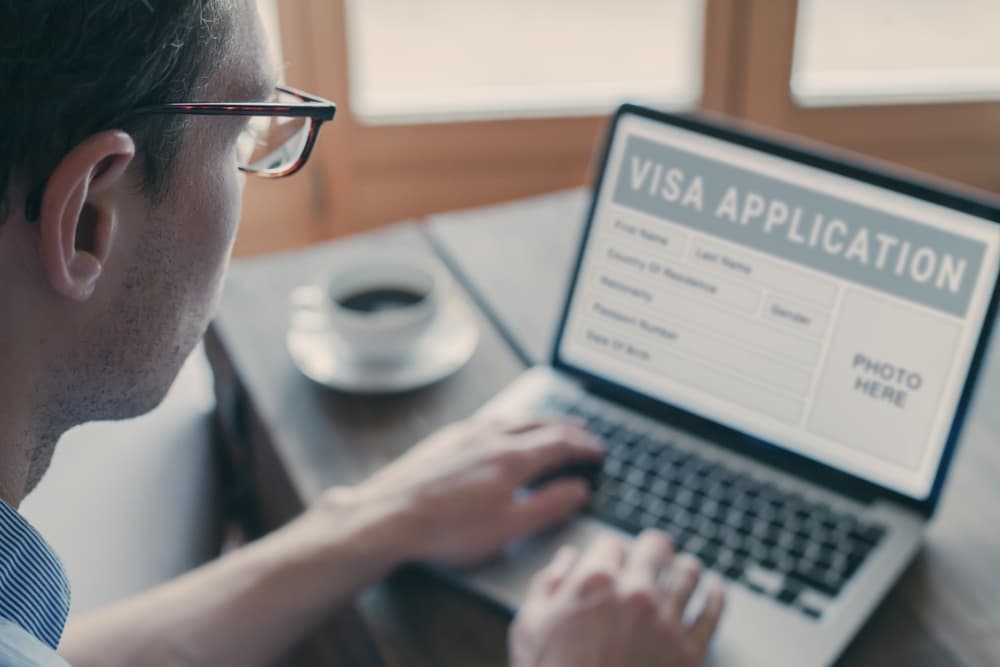
Fill out the DS-160, the Online Nonimmigrant Visa Application, on the U.S. Department of State website. This form collects biographical data, travel plans, and details about your education and background.
- Schedule a Visa Interview
After completing the DS-160, schedule an appointment at a U.S. embassy or consulate in your country. Wait times vary by location, so early scheduling is strongly recommended.
- Gather Supporting Documents
Prepare a complete package of required documents (listed below) to bring to your visa interview. These will help demonstrate your eligibility and support the claims in your application.
- Attend the Interview
The visa interview is a critical part of the process. A consular officer will ask questions about your academic plans, financial support, and ties to your home country. Based on this conversation and your documentation, they will decide whether to issue your visa.
Required Documentation and Evidence
Bring the following documents to your interview:
- A valid passport (must be valid at least six months beyond your intended stay)
- Form I-20, signed by both the student and school official
- DS-160 confirmation page with barcode
- SEVIS I-901 fee payment confirmation
- Visa appointment confirmation
- Recent passport-size photo meeting State Department specifications
- Acceptance letter from the U.S. institution
- Evidence of financial support (bank statements, scholarship letters, sponsor affidavits)
- Transcripts, diplomas, standardized test scores (TOEFL, IELTS, SAT, GRE, etc.)
- Ties to your home country (property ownership, family, job offers, etc.)
Financial Requirements and Proof of Funds
The U.S. government requires all F-1 visa applicants to prove they can afford tuition and living expenses without relying on unauthorized employment. This means showing financial documentation for:
- Tuition costs for the first academic year
- Estimated living expenses (housing, food, books, travel)
- Health insurance (often required by schools)
Proof may include personal or family bank statements, affidavits of support from sponsors, scholarship or grant award letters, and documentation of other guaranteed funding. Inconsistent or vague financial documentation is one of the leading reasons visas get denied, so every figure should be clear and verifiable.
How an Attorney Can Help Review Applications
Even minor errors in forms or supporting documents can delay visa issuance or result in denial. An immigration attorney reviews the application to make sure all entries match official records, identifies weak areas that may raise red flags, and helps organize financial documentation to meet embassy expectations. Legal assistance can also help prepare students for what to expect in the interview and how to handle difficult questions, especially if they’ve had prior visa denials or academic interruptions.
Attorneys can also confirm whether a student’s chosen institution is SEVP-certified and can explain how visa status affects optional training programs like CPT and OPT, which are often part of the student’s long-term plan.
Tips for Successful Visa Interviews
The visa interview is often brief but significant. Here’s how to prepare:
- Know Your Program: Be prepared to explain why you chose your field of study, what school you’ll attend, and what career you plan to pursue after graduation.
- Stay Consistent: Your answers should match the information on your DS-160, I-20, and financial documents.
- Emphasize Your Home Country Ties: Visa officers want to see that you have a reason to return home after finishing your studies.
- Dress Professionally: Treat the interview like a job interview. First impressions matter.
- Answer Clearly and Honestly: Keep answers brief unless asked for more detail. Avoid guessing or giving uncertain responses.
Consular officers assess each application individually and may deny a visa without providing much explanation. That’s why strong documentation, preparation, and professional review are so important before the interview even takes place.
Maintaining F-1 Status
After obtaining an F-1 visa, students must adhere to specific regulations to maintain their status.
Full-Time Enrollment Requirement
Students must enroll in a full course of study each academic term. Dropping below full-time status without prior authorization can lead to status violations.
Reporting Changes to DSOs
Students must report changes in address, academic program, or financial status to their Designated School Official (DSO) promptly.
Academic Challenges That May Impact Status
Academic difficulties can affect a student’s ability to maintain full-time enrollment. In such cases, consulting with a DSO and an immigration attorney can help explore options like reduced course loads or medical leave.
Consequences of Status Violations
Violating F-1 status can lead to termination of the SEVIS record, loss of legal status, and potential deportation. Legal counsel can assist in reinstatement processes or exploring alternative solutions.
F-1 Status Challenges and Solutions
International students may encounter various challenges during their studies in the U.S. Issues include unauthorized employment, failure to report changes to DSOs, and not maintaining full-time enrollment.
Handling Reduced Course Loads
Students facing academic or medical difficulties may be eligible for a reduced course load, but this requires prior approval from the DSO.
Strategies for Academic Difficulties
Utilizing campus resources like tutoring centers, academic advisors, and counseling services can help address academic challenges.
Transfer Between Schools
Transferring to another SEVP-certified institution involves coordination between the current and new school’s DSOs to ensure SEVIS records are properly updated.
How Experienced Immigration Attorneys Prevent and Resolve Status Problems
Attorneys can guide students on complying with visa regulations, assist in filing necessary petitions, and represent students in cases of status violations.
F-1 Visa Denials and Appeals
Visa denials can be disheartening, but understanding the reasons can help you reapply successfully.
Common Reasons for F-1 Visa Denials
- Insufficient financial evidence
- Lack of ties to the home country
- Incomplete or inaccurate application forms
214(b) Denials and How To Overcome Them
Section 214(b) denials occur when applicants fail to convince the consular officer of their intent to return home after studies. Providing strong evidence of home country ties can address this issue.
Reapplication Strategies After Denial
Applicants should address the reasons for denial, gather additional supporting documents, and consider consulting an immigration attorney before reapplying.
Administrative Processing Delays
Some applications undergo administrative processing, leading to delays. Staying in contact with the embassy and providing requested information promptly can help expedite the process.
Value of Attorney Representation in Complex Cases
In cases involving previous denials or complex immigration histories, legal representation can provide strategic advice and increase the likelihood of approval.
F-1 Visas FAQs
[faq_block h=”3″]
What happens if I lose my F-1 status?
Losing status can lead to removal proceedings. Consulting promptly with an immigration attorney can help you explore options for reinstatement.
Can I travel internationally with an F-1 visa?
Yes, but ensure that your visa is valid and that you have a valid travel signature on your Form I-20.
How can I extend my F-1 visa?
Visa extensions are generally not possible. However, you can maintain your status by extending your program through your school and obtaining a new Form I-20.
What are my options after graduation?
Upon graduating, you can apply for Optional Practical Training (OPT), enroll in another academic program, or seek to change your visa status.
When should I consult an immigration attorney about my F-1 status?
You need to consult an attorney when facing status violations or complex immigration issues, or if you plan to change your visa status. An attorney can also review your application to identify any problems and help prepare you for your interview.
Why Choose Bailey & Galyen for Your F-1 Visa Needs
Bailey & Galyen has a long history of successful immigration representation, including support for international students navigating F-1 visa matters. Whether you’re preparing to study in the United States or dealing with a status issue mid-program, our legal team stands ready to assist with every aspect of the student visa process.
Experience in Student Visa Cases
Over the years, Bailey & Galyen has helped hundreds of students secure F-1 visas and maintain legal status throughout their academic journey. Our immigration lawyers understand the requirements of SEVP-certified institutions, the expectations of U.S. embassies, and how to anticipate the issues that often arise during a student’s time in the U.S.
We handle not only initial visa applications but also transfers, reinstatement petitions, changes of status, and more. This deep familiarity with the student immigration system means we can help you avoid preventable issues and resolve problems quickly if they arise.
Strong Record of Success in Immigration Law
Our firm consistently delivers results for clients, from securing approvals for new visa applicants to resolving complex status violations. This includes a high approval rate on F-1-related petitions, reapplications after 214(b) denials, and support during administrative processing delays.
Tailored Support for Academic Immigration Matters
Every student’s situation is different. Bailey & Galyen offers individualized attention to help clients develop long-term strategies for success—whether that means transitioning to OPT, preparing for H-1B sponsorship, or simply staying compliant while studying.
We help international students pursue the opportunities they came for without the added stress of managing immigration procedures alone.
Affordable Fee Structure and Flexible Payment Plans
We understand that students and their families often operate under tight financial constraints. That’s why Bailey & Galyen offers competitive legal fees and flexible payment plans. We work with each client to ensure that legal support remains accessible and manageable, no matter your financial situation.
Multilingual Services Available
Our multilingual team ensures that language barriers don’t stand in the way of quality legal support. We offer assistance in Spanish and other languages, helping students and their families feel more comfortable and confident throughout the process.
Contact Our Skilled Immigration Lawyers in Texas Now
U.S. immigration matters operate on strict deadlines. Delays in responding to status violations or visa denials can lead to lasting consequences. If you’re preparing to apply for an F-1 visa, dealing with academic difficulties, or managing changes to your course of study, Bailey & Galyen can help.
We offer a free initial consultation to assess your situation. During that conversation, we’ll discuss your academic goals, review your current immigration status, and outline a plan to help you stay compliant and focused on your studies.
Bailey & Galyen remains committed to supporting international students from the day they receive their Form I-20 to the day they complete their studies, and beyond. Our attorneys are prepared to take the stress off your shoulders so you can focus on what brought you here in the first place: your education.
To speak with an immigration attorney today, call Bailey & Galyen at 817-345-0580 or fill out our contact form to schedule a confidential consultation.
Hablamos español en nuestra oficina.
Bailey & Galyen – Solving Your Legal Puzzle®