Dallas is one of the largest and fastest-growing cities in Texas, known for its thriving economy, diverse communities, and vibrant culture. Like any major metropolitan area, safety conditions can vary from one neighborhood to another. Understanding where higher risks may exist, whether related to crime or traffic accidents, can help residents, commuters, and visitors make more informed decisions.
Because Dallas is such a large and active city, different areas experience different day-to-day challenges. Some neighborhoods have heavier traffic and busy intersections, which can increase the risk of car accidents, while others may see more reported criminal activity depending on the time of day and level of activity. Being aware of these differences can help you stay more alert and make smarter choices when traveling through or spending time in different parts of the city. Below is an overview of several Dallas neighborhoods that are often associated with higher levels of reported incidents, along with factors that may contribute to those trends.
Disclaimer: This information is for general informational purposes only and is based on available data trends. It does not constitute legal advice or a guarantee of safety. Neighborhood conditions can change.
1. South Dallas (Fair Park Area)
South Dallas, particularly around Fair Park, is one of the most historically significant areas of the city. It hosts major events throughout the year, including the State Fair of Texas, which brings in large crowds and increased traffic.
In terms of safety considerations, this area has been associated in some reports with higher levels of reported incidents compared to certain other parts of Dallas. Like many urban neighborhoods, population density and economic factors can influence these trends.
From a personal injury perspective, the Fair Park area can also present increased accident risks. Large events often lead to congested roads, distracted driving, and higher pedestrian activity. Intersections and surrounding streets may experience heavier traffic, which can increase the likelihood of vehicle collisions or pedestrian-related incidents.
2. West Dallas
West Dallas has seen significant redevelopment in recent years, with new housing, restaurants, and commercial spaces emerging. Despite this growth, some parts of the area still experience higher levels of reported incidents based on available data trends.
Crime patterns in certain sections of West Dallas may reflect a mix of older infrastructure and transitional development. As neighborhoods evolve, it can take time for safety conditions to stabilize.
In addition, West Dallas includes industrial zones and construction-heavy areas, which can contribute to accident risks. Large trucks, construction equipment, and changing road conditions may increase the likelihood of collisions, especially for drivers unfamiliar with the area.
3. Oak Cliff (Certain Areas)
Oak Cliff is a large and diverse region of Dallas, and safety conditions can vary widely depending on the specific neighborhood. While many parts of Oak Cliff are residential and community-focused, certain areas have been associated in some reports with higher levels of incident activity.
Because Oak Cliff is connected to major highways like I-35E, it also sees a significant amount of commuter traffic. High-speed travel, merging lanes, and congestion during peak hours can all contribute to increased accident risks.
It is important not to generalize the entire Oak Cliff area, as many neighborhoods within it are stable and continue to grow. Understanding that some pockets may experience higher incident rates can be helpful when evaluating overall safety.
4. Pleasant Grove
Pleasant Grove is another well-known area in Southeast Dallas that has experienced both community growth and ongoing challenges. Based on available data trends, certain types of incidents reported in this area may include property-related crimes such as burglary and theft, as well as occasional reports of violent incidents like assault. These patterns are often influenced by population density, economic factors, and localized activity levels within specific parts of the neighborhood.
From a traffic standpoint, Pleasant Grove includes several busy roadways used by commuters traveling in and out of Dallas. Speeding, distracted driving, and traffic congestion can contribute to the risk of car accidents in the area.
Conditions can vary within Pleasant Grove, and many residents take pride in their community and continue to support local improvements.
5. Northwest Dallas (Love Field Area)
The area surrounding Dallas Love Field Airport presents a unique set of conditions. With a constant flow of travelers, rideshare vehicles, taxis, and airport shuttles, traffic volume tends to remain high throughout the day.
This increased activity can lead to a higher likelihood of traffic accidents, particularly during peak travel times. Drivers may be unfamiliar with the area, rushing to catch flights, or navigating airport roadways, all of which can increase risk.
In terms of crime, some parts of Northwest Dallas have shown moderate to higher levels of reported incidents based on available data trends when compared to quieter residential areas. These may include theft-related offenses, vehicle break-ins, and other activity commonly associated with high-traffic commercial zones, such as pickpocketing, luggage theft, and opportunistic crimes targeting parked vehicles or distracted travelers. These patterns are often influenced by the steady flow of visitors, transportation hubs, and business activity in the area.
6. Northeast Dallas (Certain Pockets)
Northeast Dallas includes a wide range of neighborhoods, from quieter residential areas to more densely populated zones. While many parts are considered stable, certain pockets have experienced higher levels of reported incidents.
Reported incidents in these areas may include property crimes such as burglary, motor vehicle theft, and shoplifting, along with occasional reports of violent offenses like aggravated assault. As with many urban areas, these trends can vary significantly depending on the specific neighborhood and time of day.
Traffic safety is also a concern in some areas of Northeast Dallas, particularly around major intersections and commuter routes. Busy roads can increase the chances of collisions, especially during rush hour, when congestion and frequent lane changes are more common.
As with other areas on this list, it is helpful to view Northeast Dallas as a collection of diverse neighborhoods rather than a single uniform area.
7. Downtown Dallas
Downtown Dallas is the center of the city’s business and entertainment activity. With office buildings, restaurants, nightlife, and major events, the area sees a high volume of both vehicle and pedestrian traffic.
This level of activity can contribute to increased risks in several ways. Pedestrian accidents are more likely in densely populated areas where people are frequently crossing streets. Rideshare services, delivery vehicles, and public transportation also add to traffic complexity.
In terms of crime, downtown areas in most major cities tend to see higher rates of certain incidents, such as theft or late-night activity. These trends are often tied to the number of people moving through the area at different times of day.
Common Factors That Contribute to Higher-Risk Areas
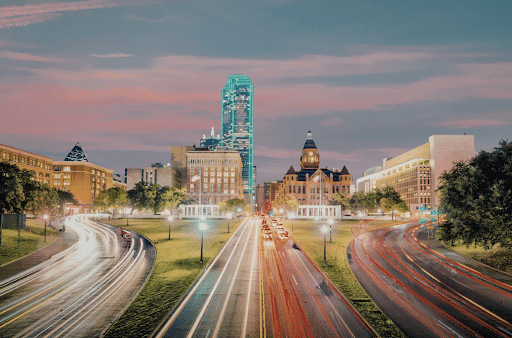
Safety trends in any city are usually influenced by a combination of environmental and everyday factors rather than a single cause. In Dallas, certain conditions can contribute to a higher likelihood of both criminal activity and traffic-related incidents.
For example, areas with heavy traffic flow or close proximity to major highways often see more frequent car accidents due to higher speeds, congestion, and constant vehicle movement. Similarly, neighborhoods with busy intersections or ongoing construction may present additional hazards for both drivers and pedestrians.
Other contributing factors may include:
- High foot traffic, especially in commercial or entertainment districts
- Increased rideshare and delivery activity
- Limited lighting or visibility in certain areas at night
- Older infrastructure or road design challenges
It is also important to consider that areas with more businesses, events, or population density naturally experience more activity overall, which can lead to a higher number of reported incidents. Understanding these patterns can help individuals stay more aware and take practical steps to reduce risk in their daily routines.
What Types of Accidents Are Most Common in These Areas
In higher-traffic or densely populated parts of Dallas, several types of accidents tend to occur more frequently.
- Car accidents are among the most common, particularly in areas with heavy congestion or high-speed roadways. Rear-end collisions, intersection accidents, and multi-vehicle crashes can occur in busy environments.
- Pedestrian accidents are also a concern, especially in areas like downtown Dallas, where foot traffic is high. Drivers who are distracted or unfamiliar with the area may be more likely to miss pedestrians crossing the street.
- Rideshare-related accidents have become more common as services continue to grow. These incidents can involve multiple parties and may raise questions about responsibility.
Understanding these risks can help drivers and pedestrians stay alert and make safer decisions.
What to Do If You’re Involved in an Accident in Dallas
If you are involved in a car accident in Dallas, taking the right steps can help protect your safety and your rights. The moments immediately following an accident can feel overwhelming, but staying calm and focused can make a meaningful difference in how the situation is handled.
First, check for injuries and seek medical attention if needed. Even if injuries seem minor, it is important to get evaluated, as some symptoms may not appear right away. Your health should always be the top priority.
Next, contact law enforcement so an official report can be created. This documentation can be important later, especially when dealing with insurance companies or any legal matters that may arise.
If it is safe to do so, gather information at the scene. Helpful steps include:
- Taking photos of vehicle damage, road conditions, and the surrounding area
- Collecting names, phone numbers, and insurance details from all involved parties
- Speaking with any witnesses and noting their contact information
It is also important to avoid discussing fault at the scene. Focus on exchanging information and providing accurate details to law enforcement. Even casual statements can sometimes be misunderstood later.
After leaving the scene, consider keeping records of:
- Medical visits and treatment plans
- Repair estimates and expenses
- Any communication with insurance providers
Taking these steps can help you stay organized and better prepared as you move forward.
What to Do If You’re Facing Criminal Charges in Dallas
If you are dealing with a criminal matter in Dallas, it is important to remain calm and take the situation seriously. How you respond early on can have a significant impact on your case.
You have the right to remain silent, and it is generally advisable to avoid making statements that could be misunderstood. Even if you believe you are explaining your side of the story, statements made without legal guidance may be used in ways you did not intend.
In addition, you should avoid discussing your case with others outside of your legal team. This includes:
- Posting details on social media
- Talking about the situation with friends or coworkers
- Sharing information through text messages or online platforms
These communications can sometimes be reviewed or brought up later, so it is best to keep details private.
It is also helpful to stay organized and prepared by:
- Keeping any documents or paperwork related to your case
- Writing down important details while they are still fresh in your memory
- Following any instructions given by law enforcement or the court
Seeking guidance from a qualified attorney can help you better understand your rights and the legal process. Having someone explain what to expect and answer your questions can make the situation feel more manageable.
Tips for Staying Safe in Higher-Risk Areas
While no area is entirely free of risk, there are practical steps you can take to improve your safety, whether you are driving, walking, or spending time in unfamiliar parts of Dallas.
Staying aware of your surroundings is one of the most effective ways to reduce risk. Pay attention to what is happening around you, especially in busy or unfamiliar environments.
When it comes to daily safety habits, consider the following:
- Avoid distractions while driving, such as texting or adjusting your phone.
- Follow traffic laws and posted speed limits at all times.
- Keep a safe distance from other vehicles, especially in heavy traffic.
- Be cautious at intersections, where many accidents tend to occur.
For personal safety, especially at night or in less familiar areas:
- Travel with others when possible.
- Choose well-lit and populated routes.
- Let someone know your plans if you are heading out alone.
- Stay aware of entrances, exits, and your surroundings.
Simple precautions like these can go a long way in helping you stay safe and confident as you navigate different areas of the city.
How Neighborhood Conditions in Dallas Can Change Over Time
It is important to understand that neighborhood safety is not static. In a city as large and fast-growing as Dallas, conditions can shift over time due to economic development, infrastructure improvements, and community initiatives. Areas that may have once experienced higher levels of reported incidents can see meaningful improvements, while others may face new challenges as population patterns and traffic flow evolve.
For example, redevelopment projects in parts of Dallas, such as West Dallas and sections of Oak Cliff, have introduced new housing, businesses, and public spaces. These changes can lead to increased foot traffic, improved lighting, and stronger community presence, all of which may contribute to enhanced safety over time. However, growth can also temporarily increase risks, particularly in areas undergoing construction or rapid expansion, where road conditions and traffic patterns may frequently change.
Local government efforts also play a role in shaping neighborhood safety. Investments in road maintenance, traffic signal upgrades, and pedestrian-friendly infrastructure can help reduce accident risks. Similarly, increased law enforcement presence and community policing initiatives may influence crime trends in certain areas. Because of these ongoing changes, it is always a good idea to rely on current, localized information when evaluating safety in any part of Dallas.
Another key factor is community involvement. Neighborhood associations, local organizations, and residents themselves often contribute to improving safety conditions. Efforts such as neighborhood watch programs, community clean-up events, and local advocacy for better lighting or traffic control can make a noticeable difference over time. Areas with active community engagement may see gradual improvements in both the perception and reality of safety.
The Role of Data in Understanding Neighborhood Risk
When discussing “dangerous” neighborhoods, it is essential to consider how data is collected and interpreted. Crime statistics and accident reports are often based on reported incidents, which may not capture the full picture of what is happening in a particular area. Some neighborhoods may appear to have higher incident rates simply because they have more people, more businesses, or more visitors passing through on a daily basis.
For instance, downtown Dallas naturally sees a higher volume of reported incidents compared to quieter residential neighborhoods, largely due to the sheer number of people who work, live, and spend time there. This does not necessarily mean that every part of downtown is unsafe, but rather that activity levels are significantly higher.
Similarly, areas near major highways or busy intersections may report more traffic accidents, not because they are inherently dangerous, but because they experience heavier vehicle flow. High-traffic corridors like I-35E, I-30, and Loop 12 connect different parts of the city and are used by thousands of drivers each day, increasing the likelihood of collisions.
Understanding these nuances can help you interpret safety data more accurately. Rather than focusing solely on rankings or labels, it is more useful to consider the context behind the numbers, including population density, traffic volume, and time of day when incidents are most likely to occur.
Why Awareness Matters More Than Labels
While lists of “dangerous neighborhoods” can provide general insight, they should not be the only factor guiding your decisions. Labeling an entire area as unsafe can overlook the diversity and complexity within each neighborhood. Many of the areas mentioned, such as Oak Cliff or Pleasant Grove, include both quieter residential streets and busier sections with different levels of activity.
Being aware of your surroundings and understanding specific risk factors is often more valuable than relying on broad generalizations. For example, knowing that a particular intersection has a high rate of accidents can help you approach it more cautiously, regardless of which neighborhood it is located in. Likewise, being mindful of peak traffic hours or event schedules can help you avoid congested conditions that may increase risk.
Technology has also made it easier to stay informed in real time. Navigation apps can alert drivers to traffic congestion or accidents, while local news and community platforms may provide updates about incidents or road closures. Using these tools can help you make safer, more informed decisions as you move throughout the city.
Ultimately, Dallas is a dynamic and evolving city. While certain areas may experience higher levels of reported incidents at times, many neighborhoods continue to grow, improve, and offer strong communities for residents and visitors alike. Staying informed, aware, and proactive is the most effective way to navigate any urban environment safely.
Staying Informed and Knowing Your Legal Options
Dallas is a city full of opportunity, growth, and diverse communities, and each neighborhood has its own unique strengths and challenges. While some areas may experience higher levels of reported crime or traffic-related incidents, these trends are often influenced by factors such as population density, road conditions, and daily activity levels. Staying informed and aware can help you make safer decisions in your day-to-day life.
If you or a loved one has been involved in an accident, or is facing a legal issue in Dallas, understanding your rights and options is an important next step. Speaking with an experienced attorney can help you navigate the process, whether your situation involves a personal injury claim or a criminal matter. Bailey & Galyen has been serving individuals and families across Texas for decades, providing guidance and support when it matters most.
Hablamos español en nuestra oficina.
Bailey & Galyen – Solving Your Legal Puzzle®