Fort Worth is one of the fastest-growing cities in Texas, known for its rich history, expanding economy, and diverse communities. From established residential neighborhoods to rapidly developing urban areas, the city offers a wide range of places to live and work. Like any major city, however, safety conditions can vary depending on location, population density, and daily activity levels.
Understanding where these risks may be more common can be especially important for individuals navigating the city, whether commuting, working, or visiting. Areas with increased traffic congestion, active commercial zones, or higher population density may present greater exposure to situations that lead to personal injury claims or criminal matters.
The following overview highlights several Fort Worth neighborhoods that have been associated in some reports with higher levels of dangerous activity, along with the factors that may contribute to those patterns. Conditions can change over time, and many of these communities continue to see improvements and ongoing development.
Disclaimer: This information is for general informational purposes only and is based on available data trends. It does not constitute legal advice or a guarantee of safety. Neighborhood conditions can change.
1. Stop Six (East Fort Worth)
Stop Six, located in East Fort Worth, is a historically significant neighborhood with a strong sense of community. At the same time, some available reports have associated the area with higher levels of certain types of incidents compared to other parts of the city, particularly property-related offenses such as burglary and theft, as well as occasional aggravated assaults and disturbances.
From a traffic perspective, the area includes several well-traveled roads that can become congested during peak hours. Increased traffic flow, combined with local road conditions, may contribute to a higher likelihood of vehicle accidents.
Community investment and redevelopment efforts continue in Stop Six, and many residents are actively involved in improving the area.
2. Como (West Fort Worth)
Como is a long-established neighborhood in West Fort Worth that has experienced gradual changes over time. While it remains primarily residential, some reports suggest elevated levels of certain incidents in specific sections, including assault-related offenses, domestic disturbances, and occasional property crimes such as theft and vandalism.
Traffic conditions in Como can vary depending on the time of day, with local streets and connecting roads seeing steady vehicle movement. This can increase the chances of collisions, particularly at intersections or during high-traffic periods.
As with many neighborhoods, Como continues to evolve, with local efforts aimed at strengthening safety and community engagement.
3. Polytechnic Heights
Polytechnic Heights is a historic area located near Texas Wesleyan University. Its mix of residential housing and student activity creates a unique environment that can influence both crime trends and traffic patterns.
Areas with higher pedestrian activity, such as those near campuses, may see an increased risk of pedestrian-related accidents. Drivers navigating these areas may need to exercise additional caution, especially during school hours or events.
Reports have also noted varying levels of incident activity in certain parts of Polytechnic Heights, including fluctuations in theft, vehicle break-ins, minor assaults, and alcohol-related disturbances, particularly during weekends or student events.
4. Southside and Morningside Area
The Southside and Morningside areas of Fort Worth are densely populated and include a mix of residential and commercial spaces. Some available data suggests higher levels of reported incidents in these areas compared to other parts of the city, particularly violent offenses such as aggravated assault, robbery, and domestic violence, along with property crimes like burglary and motor vehicle theft.
From a personal injury standpoint, these neighborhoods are connected by major roadways that handle significant commuter traffic. Increased congestion and frequent stops can contribute to rear-end collisions and intersection-related accidents.
Despite these challenges, community initiatives continue to focus on improving infrastructure and safety.
5. Northside Fort Worth
Northside Fort Worth is known for its cultural significance and active commercial areas. With a high level of daily activity, the area naturally experiences increased foot traffic and vehicle movement.
Higher levels of congestion can contribute to both traffic accidents and certain types of incidents, particularly in busy commercial zones. These may include theft, shoplifting, public disturbances, and occasional assault-related incidents associated with nightlife or large gatherings.
The Northside continues to be an important part of Fort Worth’s identity, with ongoing efforts to balance growth and safety.
6. Las Vegas Trail Area
The Las Vegas Trail area has been widely discussed in relation to higher-density housing and increased population levels. These factors can contribute to higher volumes of reported incidents in some cases, including frequent reports of theft, burglary, assault, and drug-related activity.
From a traffic standpoint, areas with dense residential complexes often see frequent vehicle movement, limited parking, and congestion. These conditions can increase the likelihood of minor collisions as well as more serious accidents.
Local initiatives have been introduced in recent years to improve safety and living conditions in the area, reflecting ongoing community investment.
7. Downtown Fort Worth
Downtown Fort Worth is the center of business, entertainment, and tourism activity in the city. With restaurants, nightlife, and major events, the area attracts a large number of people throughout the day and evening.
This level of activity can lead to increased risks, particularly when it comes to pedestrian safety and traffic congestion. Drivers may encounter frequent stops, rideshare vehicles, and individuals crossing streets in busy areas.
In addition, downtown environments in most cities tend to experience higher levels of certain types of incidents due to the concentration of people and activity. These commonly include public intoxication, disorderly conduct, theft, vehicle break-ins, and occasional assault-related incidents, particularly during late-night hours or large events.
What Contributes to Higher-Risk Areas in Fort Worth
Several factors can influence why certain areas may experience higher levels of criminal activity and traffic accidents. In Fort Worth, these factors often relate to how people move through and interact within a neighborhood.
For example, areas with heavy traffic flow or close access to major highways may see more frequent vehicle accidents. High-density housing and commercial zones can also increase the number of daily interactions, which may contribute to both traffic incidents and reported criminal activity. These higher levels of activity often include increased rates of collisions, pedestrian-related accidents, theft, disturbances, and other incidents linked to crowded or high-traffic environments.
Other contributing factors may include:
- Busy intersections and road design challenges
- Increased rideshare and delivery traffic
- Higher pedestrian activity in commercial districts
- Ongoing construction or redevelopment projects
Understanding these patterns can help individuals stay more aware and take steps to reduce potential risks. Paying attention to common situations where accidents occur can also help you make safer decisions and avoid dangerous conditions.
Types of Accidents Frequently Reported in Fort Worth
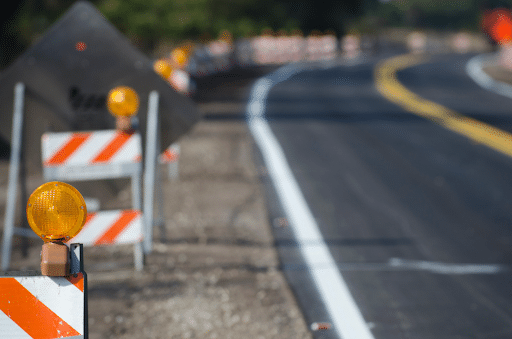
As Fort Worth continues to grow, certain types of accidents tend to occur more often based on traffic patterns, development, and daily activity. Understanding where and how these incidents happen can help you stay more aware on the road. Some of the most commonly reported accident types include:
- Intersection Crashes: Busy intersections are one of the leading locations for accidents. Drivers making left turns, running yellow lights, or misjudging traffic flow can increase the risk of crashes, especially during peak commuting hours.
- Construction Zone Accidents: With ongoing development across Fort Worth, construction areas can create unexpected driving conditions. Narrow lanes, detours, and changing traffic patterns may catch drivers off guard and contribute to accidents.
- Rear-End Collisions in Congested Traffic: Stop-and-go traffic on major roads can lead to rear-end accidents, often caused by distracted driving or following too closely.
- Pedestrian-Related Accidents: Areas with higher foot traffic, such as downtown, near schools, or shopping centers, can present added risks. Limited visibility or driver inattention may increase the likelihood of these incidents.
- Rideshare and Delivery Vehicle Accidents: The increase in rideshare and delivery services means more vehicles frequently stopping, turning, or navigating unfamiliar routes, which can lead to sudden or unpredictable movements on the road.
Staying aware of these common accident risks can help you make safer decisions while driving in Fort Worth. Being alert to your surroundings and changing road conditions can reduce your chances of being involved in a collision.
Steps to Take Following a Car Accident in Fort Worth
If you are involved in a car accident, knowing what to do next can help you stay safe and better protect your interests. Taking the right steps early can also help prevent confusion and ensure important details are properly documented. Follow these important steps:
- Check for Injuries First: Make sure you and anyone else involved are safe. Call for medical assistance if needed, even if injuries seem minor at first.
- Contact Law Enforcement: Reporting the accident ensures there is an official record, which may be helpful later when dealing with insurance or legal matters.
- Document the Scene: If it is safe to do so, gather key information such as photos of vehicle damage, contact and insurance information, and names of any witnesses.
- Keep Communication Simple and Accurate: Avoid discussing fault or making assumptions. Focus on exchanging necessary information and cooperating with authorities.
- Stay Organized After the Accident: Keep track of medical visits, repair estimates, and any communication related to the accident. Having everything documented can help you stay prepared.
Staying aware of these common accident risks can help you make safer decisions while driving in Fort Worth. Being alert to your surroundings and changing road conditions can reduce your chances of being involved in an accident.
Handling Criminal Charges in Fort Worth
If you are facing a criminal charge, taking the right approach early on can help you better manage the situation. Here are a few important things to keep in mind:
- Understand Your Right to Remain Silent: You are not required to explain your situation immediately. It is often best to wait until you have a clear understanding of your legal options before making any statements.
- Avoid Discussing Your Case Publicly: This includes conversations with others and activity on social media. Even casual comments can be taken out of context or brought up later in the process.
- Stay Organized and Prepared: Keeping records and writing down important details can help you stay focused and better understand your situation. This may include timelines, documents, and any communication related to your case.
- Follow All Legal Instructions Carefully: Be sure to comply with any requirements from law enforcement or the court, including court dates, paperwork, or other obligations. Missing deadlines or failing to follow instructions can create additional complications.
- Seek Legal Guidance Early: Speaking with an experienced attorney can help you understand your rights, the charges you are facing, and what steps may come next. Having the right guidance early on can make the process feel more manageable.
Taking these steps can help you stay more in control and avoid common mistakes during a difficult time. Being informed and prepared can make a meaningful difference in how you handle your situation moving forward.
Practical Safety Tips for Navigating Fort Worth
Taking simple precautions can help reduce your risk in any part of the city. Stay aware of your surroundings, especially in unfamiliar areas. When driving, avoid distractions and follow traffic laws at all times. For added safety:
- Use well-lit routes when traveling at night
- Be cautious at busy intersections
- Keep a safe distance from other vehicles
- Travel with others when possible
These habits can help you stay more alert and prepared. Being mindful of your surroundings and staying focused can reduce the risk of unexpected situations. Staying consistent with these habits can also help you react more quickly and make safer decisions when conditions change.
Staying Informed and Knowing Your Legal Options

Fort Worth continues to grow and evolve, with neighborhoods changing over time as new development and community efforts shape the city. Some areas see higher rates of property crime, violent offenses, traffic accidents, or pedestrian safety concerns. Understanding these patterns can help you stay aware and make informed decisions in your daily life.
If you or a loved one has been involved in an accident or is facing a legal issue in Fort Worth, knowing your rights is an important first step. Whether your situation involves a personal injury matter or a criminal charge, having the right guidance can make a difference in how you move forward. Bailey & Galyen has been serving individuals and families across Texas for decades, offering experienced legal support and helping clients navigate complex situations with confidence. To learn more about your options, you can contact Bailey & Galyen to schedule a consultation and speak with a member of our legal team.
Hablamos español en nuestra oficina.
Bailey & Galyen – Solving Your Legal Puzzle®


 Español
  English