Will It Affect Your Right to Recover for Your Losses?
One of the first things you hear after being in an accident is that you should get a police report. But it doesn’t always happen. Perhaps no one called the police to the scene because the accident seemed minor, or there were a number of witnesses to testify regarding fault. Occasionally, police will come to the scene but not write a report.
Do you need a report to file a personal injury claim? What is the potential impact of not having one?
A Police Report Is Never Required to File an Insurance Claim or Personal Injury Lawsuit
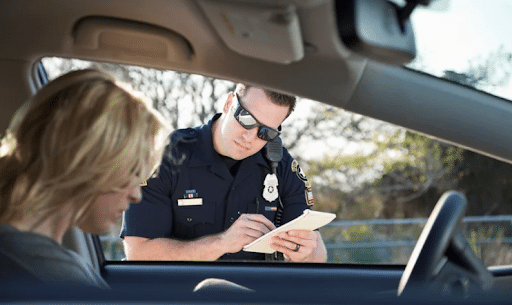
Under Texas law, a police report is not required in order for you to seek damages in a personal injury lawsuit or recover insurance benefits under a motor vehicle policy. Though a police report can be credible evidence of fault, that’s all that it is—evidence. In a personal injury lawsuit, a police report falls into the same category as eyewitness testimony, skid marks, and other evidence.
To recover compensation for injuries and losses sustained in a motor vehicle accident, you typically must prove the defendant was negligent. Under Texas law, there are three things you must show to successfully prove negligence:
The defendant breached the standard of care expected under the circumstances
Under Texas law, every person in society has a duty to act as a reasonable person would in any situation. The police report, eyewitness testimony, and other evidence may all be introduced at trial to show that the defendant either met or breached that duty.
The breach of duty caused an accident
To successfully establish a causal relationship, you must show two things:
(1) the accident would not have occurred “but for” the breach of the duty of care, and
(2) the accident and injuries sustained were a reasonably foreseeable result of that breach of the standard of care.
You suffered actual losses
You cannot recover for losses, such as medical bills or damage to your vehicle, if they’re covered by insurance. Actual losses can include unreimbursed economic losses (wages, medical bills, property damage), as well as physical pain and suffering, loss of enjoyment of life, and loss of companionship or consortium.
What If the Police Officer Creates Only an Incident Log Instead of a Crash Report?
In some accidents, responding officers may document the call internally without preparing a full crash report. Drivers are sometimes given an incident number or service call reference and assume that a formal accident report will later become available. However, an incident log is often much more limited than a standard crash report.
Unlike a full accident report, an incident log may not include detailed diagrams, witness statements, officer observations, or preliminary fault assessments. Understanding the difference can help drivers avoid confusion when attempting to obtain records for insurance purposes after police didn’t file accident report documentation.
Why Some Accidents Are Never Officially Documented
Not every accident results in formal police paperwork. Depending on the circumstances, officers may decide that a crash does not meet the reporting requirements necessary for a full report. This can occur when there are no visible injuries, minimal property damage, or the vehicles have already been moved before officers arrive.
Officers may prioritize emergencies involving injuries, roadway hazards, or criminal activity over minor collisions. While this does not prevent drivers from pursuing insurance claims or legal action, it can leave accident victims without the official documentation they expected after the crash.
How a Missing Police Report Can Change Settlement Negotiations
When a police report is unavailable, settlement negotiations may rely more heavily on subjective evidence and competing interpretations of the accident. Insurance companies may spend additional time reviewing statements, photographs, repair estimates, and medical records before evaluating liability.
Without an officer’s written observations, adjusters may question details that would otherwise appear in a crash report, such as roadway conditions, driver behavior, or the location of vehicle damage. This can sometimes lead to slower negotiations or increased disputes over fault percentages and injury severity.
How Insurance Companies Investigate Claims Without a Police Report
When police didn’t file accident report documentation at the scene, insurance companies often conduct a more detailed investigation before making decisions about fault or compensation. Adjusters may review photographs of vehicle damage, inspect repair estimates, evaluate medical records, and speak directly with drivers and witnesses involved in the crash.
Insurance companies may also look for additional evidence, such as traffic camera footage, nearby surveillance recordings, dashcam video, or cellphone photos taken immediately after the collision. In some situations, insurers may compare the location of vehicle damage to determine how the accident likely occurred.
Because there is no official police narrative available, insurance adjusters may place greater scrutiny on statements provided by both parties. Small inconsistencies or missing details can sometimes lead to disputes over liability or delays in the claims process. Keeping organized records and providing clear documentation can help strengthen your position during negotiations.
How Fault Disputes Become More Complicated Without a Police Report
One of the biggest challenges after an accident occurs when the drivers involved provide conflicting versions of what happened. When police fail to file an accident report, there may be no neutral third-party summary documenting what occurred at the scene.
In many cases, the other driver may later change their story or deny responsibility altogether. Without an official report, insurance companies must rely more heavily on available evidence such as witness statements, photographs, video footage, roadway markings, and the physical damage sustained by each vehicle.
Fault disputes can become especially complicated in intersection accidents, lane-change collisions, rear-end crashes involving multiple vehicles, or accidents that occur during poor weather conditions. Even seemingly minor inconsistencies can affect how insurers evaluate liability. The stronger your documentation is immediately after the crash, the more difficult it becomes for another party to dispute the facts later.
The Importance of Independent Evidence After a Crash
Independent evidence can become extremely valuable when there is no official accident report available. In many modern accident cases, there are multiple sources of information that can help establish what occurred before, during, and after the collision.
Dashcam footage may capture the exact sequence of events leading up to an accident. Nearby businesses, parking garages, traffic cameras, or residential security systems might also contain surveillance footage showing the collision or vehicle movements immediately beforehand.
Other forms of evidence may include:
- Timestamped cellphone photographs
- Vehicle black box or event data recorder information
- GPS records
- Witness statements
- Repair estimates
- Medical documentation
- Weather and roadway condition reports
The more evidence preserved after an accident, the easier it can be to demonstrate liability and damages in cases where police failed to create an accident report.
What Attorneys Can Do to Strengthen a Case Without a Police Report
An experienced personal injury attorney may be able to uncover important evidence that’s not immediately available after an accident. When no police report exists, attorneys frequently conduct independent investigations to help establish liability and protect their clients’ claims.
Depending on the circumstances, an attorney may:
- Interview witnesses
- Obtain surveillance footage
- Review medical records
- Analyze vehicle damage
- Work with accident reconstruction professionals
- Preserve time-sensitive evidence
- Communicate directly with insurance companies on your behalf
Legal representation also can help prevent insurance companies from unfairly minimizing injuries or shifting blame onto the injured party. In more complex accidents involving commercial vehicles, rideshare companies, or disputed liability, a thorough investigation can be especially important.
Why Prompt Medical Treatment Matters When There Is No Police Report
Medical treatment is always important after an accident, but it becomes especially critical when no police report was filed. Without official documentation from law enforcement, insurance companies pay closer attention to the timeline of your injuries and treatment — and any gap becomes an opportunity to argue that your injuries were not serious or were unrelated to the accident.
This challenge is compounded by the fact that not all accident-related injuries are immediately obvious. After the initial shock of a collision wears off, symptoms such as neck pain, headaches, back stiffness, numbness, or dizziness may develop over the following days. Conditions like whiplash, soft tissue injuries, and concussions can worsen over time even when they seem minor at first.

Seeking a medical evaluation as soon as possible — and again whenever new symptoms appear — creates the documentation needed to connect your injuries to the collision. Emergency room records, diagnostic imaging, treatment plans, and physical therapy notes all help establish a timeline that can be difficult for an insurer to dispute.
What to Do If the Police Do Not File a Report
In any personal injury lawsuit, compelling and corroborated evidence is key. Make certain you get accurate contact information from all parties to the accident and all witnesses. If possible, get the other driver’s auto insurance information, including the name of the company and their policy number.
Take pictures at the scene of the accident, using the camera on your cellphone if necessary. Take pictures of everything related to the accident and the conditions present at the time, including weather and roadway conditions, as well as your injuries, damage to your car, damage to other vehicles, and any marks on the road.
Accidents on Private Property Often Do Not Receive Police Reports
Many accidents occur in places such as parking lots, apartment complexes, gated communities, shopping centers, and private driveways. In these situations, police officers may respond to the scene but choose not to prepare a formal report because the accident occurred on private property.
Although these accidents may initially seem less serious, injuries and property damage can still occur. Determining fault in private property accidents can be more difficult because there are often fewer traffic controls, unclear right-of-way situations, and limited witnesses present.
Photographs, surveillance footage, witness statements, and property management records may all become important sources of evidence in these cases. Drivers involved in parking lot or private property accidents should still document the scene carefully, exchange information, and notify their insurance companies promptly.
Contact the Experienced Personal Injury Attorneys at Bailey & Galyen
At the law office of Bailey & Galyen, we know the impact that a personal injury can have on every area of your life. If you’re hurt in a car, truck, or motorcycle accident, send us an email or call our offices at 844-402-2992. Our phones are answered 24 hours a day, seven days a week.
Hablamos español en nuestra oficina.
Bailey & Galyen – Solving Your Legal Puzzle®